
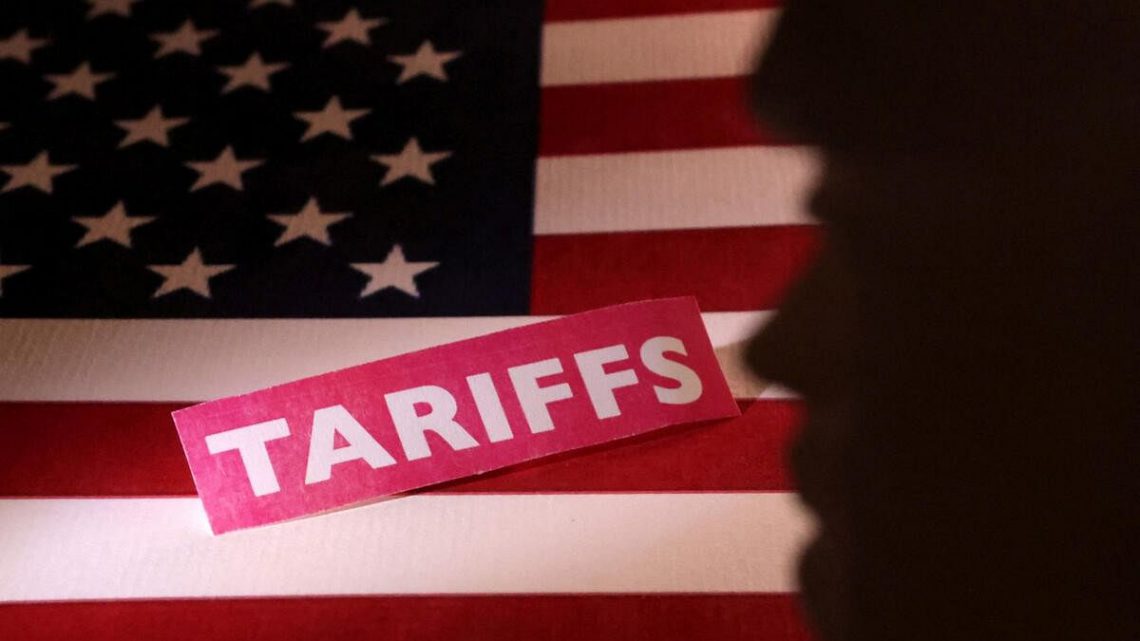
In recent years, trade tariffs have become a focal point of Donald Trump’s presidency. His administration introduced tariffs on several countries, particularly targeting China, Canada, and the European Union. While the goal was often framed as protecting American industries and reducing trade imbalances, the broader effects of these tariffs have been felt across the global economy. In this blog, we’ll explore the reasons behind these tariffs, their impacts on both the U.S. and global markets, and what the future may hold.
The Reason Behind the Tariffs: Protecting American Interests
Donald Trump’s administration justified imposing tariffs as a way to rectify what they considered to be unfair trade practices. One of the most prominent targets was China, the U.S.’s largest trading partner. Trump argued that China was manipulating its currency and stealing intellectual property, creating an unfair trade environment that disadvantaged American companies.
He also criticized the U.S. trade deficit with China, believing that tariffs would reduce this imbalance and encourage American manufacturing. The administration hoped that the tariffs would force foreign countries to negotiate better trade deals and open their markets to American goods.
Another driving factor was the desire to boost American industries, particularly steel and aluminum. The U.S. had faced rising competition from countries with lower production costs, leading to job losses and a declining manufacturing sector. Trump believed that tariffs on imports would protect American workers and incentivize domestic production.
The Impact on the Global Economy
-
Retaliatory Tariffs
In response to the U.S. tariffs, many countries imposed their own retaliatory tariffs. China, for example, levied tariffs on American agricultural products like soybeans and pork. This led to a decrease in exports from the U.S., which hurt American farmers. Similarly, countries in the EU and Canada targeted U.S. goods ranging from motorcycles to whiskey. -
Disruptions to Supply Chains
The tariffs led to significant disruptions in global supply chains. Businesses that relied on importing raw materials or finished goods from tariffed countries faced increased costs. In many cases, this was passed down to consumers in the form of higher prices, causing inflation in some sectors. -
Trade Wars and Market Volatility
The tit-for-tat nature of the tariffs fueled a trade war, leading to increased uncertainty in global markets. Investors reacted negatively to this uncertainty, and stock markets often experienced significant volatility during the height of the tariff battles. Some industries, such as technology and agriculture, were hit particularly hard due to their reliance on global supply chains. -
Impact on Global Relations
The imposition of tariffs also strained international relationships. Countries like Canada, Mexico, and the EU, which were traditional allies of the U.S., found themselves at odds with Trump’s administration. This shifted global diplomatic relations and added pressure to international trade agreements.
The Impact on the U.S. Economy
-
Higher Consumer Prices
One of the most direct effects of the tariffs was the increase in prices for goods. The tariffs on Chinese goods, for instance, raised the price of electronics, clothing, and other consumer products. While U.S. manufacturers were protected, consumers felt the pinch of higher prices, particularly for everyday items. -
Economic Growth and Job Creation
While the idea behind the tariffs was to create jobs in the U.S., the actual outcomes were mixed. Some industries, such as steel and aluminum, did see a rise in domestic production, but other sectors, particularly those reliant on imports, faced cost pressures that led to job losses. The manufacturing sector, in particular, had limited growth despite the protectionist measures. -
China-U.S. Trade Agreement
Eventually, the U.S. and China reached a Phase One trade deal in 2020, which saw China agree to purchase more U.S. goods, especially agricultural products. However, many of the tariffs remained in place, and the structural issues between the two economies were not fully addressed. The deal did provide a temporary relief, but the long-term benefits were still uncertain.
Looking Ahead: What’s Next for U.S. Tariffs?
The Trump-era tariffs remain a significant part of U.S. trade policy, but their future is uncertain. President Joe Biden’s administration has largely kept many of the tariffs intact, though it has signaled a shift towards a more multilateral approach to trade negotiations. Many economists believe that the future of U.S. tariffs will depend on how the country balances domestic interests with global economic realities.
Some experts argue that the tariffs have served their purpose by pressuring China to make concessions, while others believe they have disrupted the global trade system and ultimately hurt American consumers. As the world moves toward a post-pandemic recovery, trade policies will likely evolve to meet new challenges, such as supply chain resilience, climate change, and technological innovation.
Conclusion
Donald Trump’s tariffs were a bold and controversial move in U.S. trade policy. While they succeeded in reshaping trade relations and drawing attention to issues like intellectual property theft and unfair trade practices, the overall impact was mixed. On one hand, they protected certain industries; on the other, they led to higher consumer prices, disrupted global supply chains, and strained international relations.
As the global economy continues to evolve, the legacy of these tariffs will likely be debated for years to come. For now, the world watches to see how the U.S. balances its economic interests with its relationships on the global stage.